How Long Does a Puzzle Parking System Last?
A puzzle parking system has several service-life clocks. Based on previous-project data, a useful planning reference is about 20 years for the working system with scheduled maintenance and wear parts renewed on condition; about 30 years for the steel structure; 5–8 years for lifting chains; and 10–15 years for motors and controls. Around years 15–20, a major condition assessment and overhaul decision is normally appropriate.
These figures are planning references based on data from previous projects. They do not constitute AutoSpaceFlow’s committed service life, warranty promise or contractual guarantee for equipment supplied to future projects. The applicable service-life assumptions and warranty terms for each project depend on its configuration, materials and surface treatment, usage intensity, site environment and maintenance arrangements, and are confirmed in the final quotation and contract.
A single headline number hides the part a buyer needs to plan: the frame, wear components, drives and controls age on different clocks. Service life also changes with corrosion exposure and cycle count. This guide therefore separates the question by component, environment and usage intensity.
Why “How Long Does It Last?” Has Three Answers
The first answer is the system-level planning horizon: how long the installation can remain useful when shorter-lived components are renewed. The second is the component horizon: when chains, ropes, drives, controls or coatings reach inspection limits or become uneconomic to retain. The third is site exposure: salt, water, UV, humidity and traffic can move the same component toward the lower or upper end of its planning range.
The figures below are intentionally presented as planning references based on previous-project data. They are useful for budgets, inspection plans and spare-parts discussions, but they are not promises about equipment that has not yet been configured, manufactured or contracted.
Lifespan by Component
| Component | Planning reference | How condition is decided |
|---|---|---|
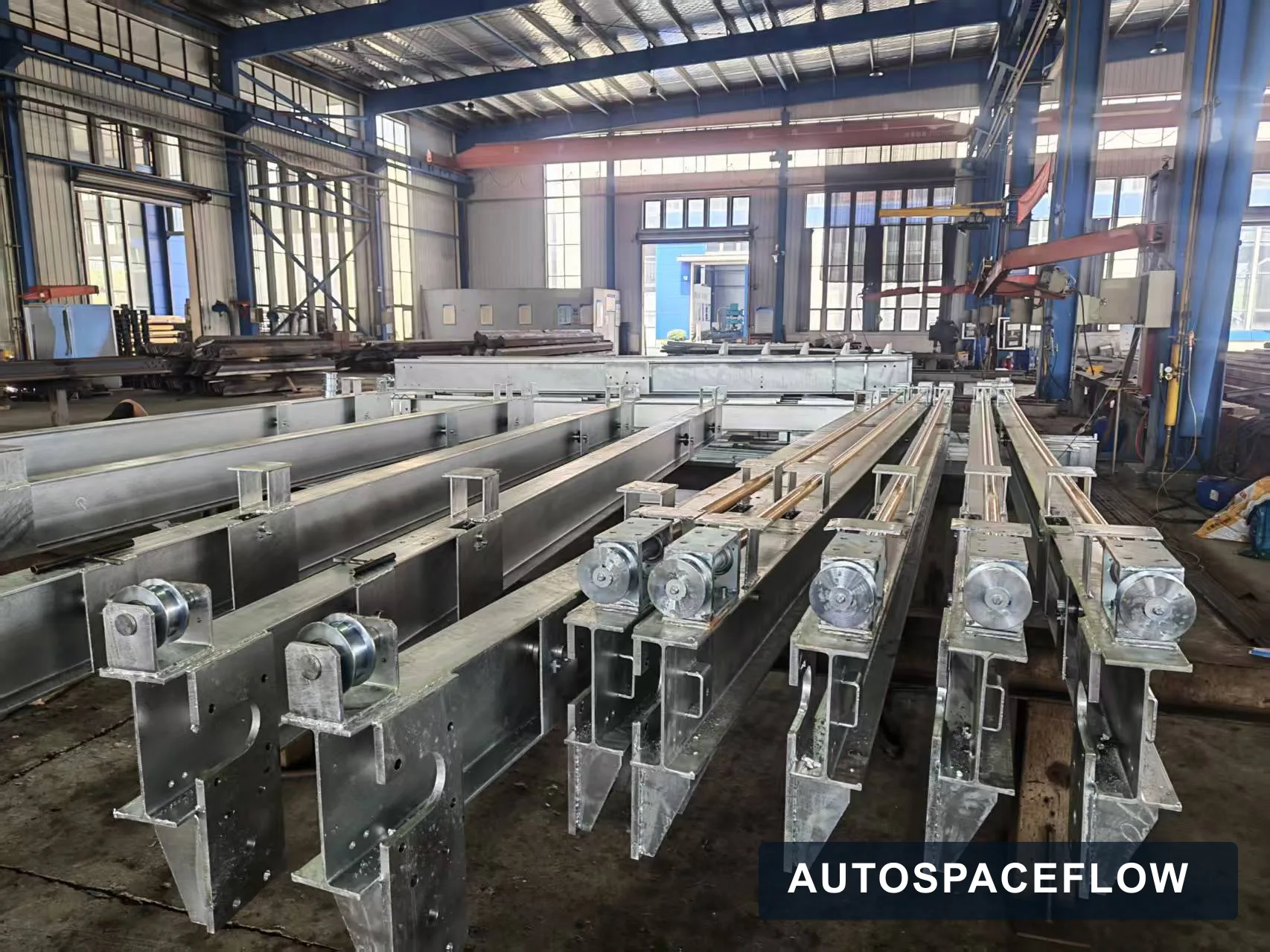
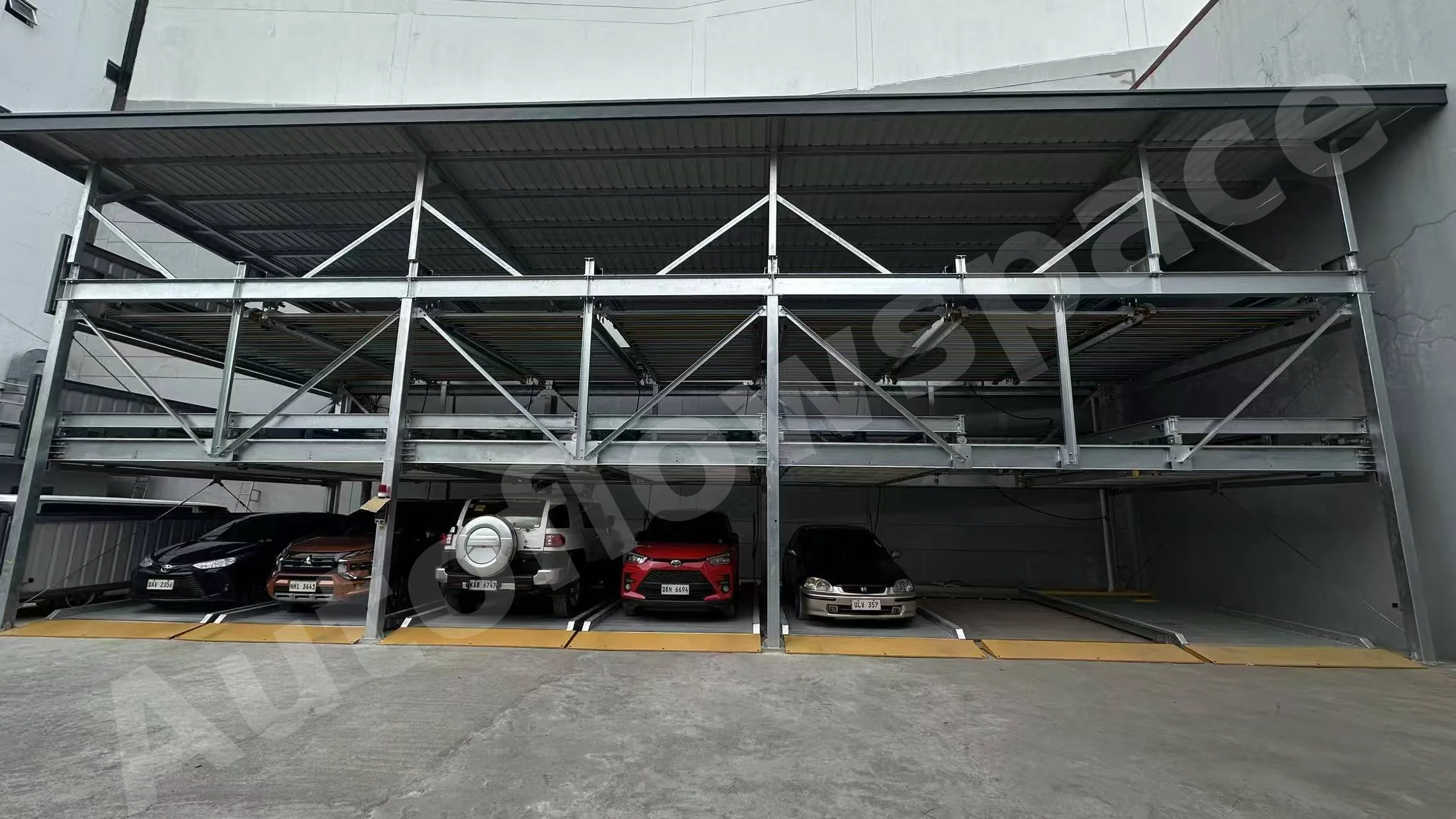
| Steel structure (columns, beams and platforms) | About 30 years | Corrosion protection condition and structural inspection; the frame can outlast a full renewal cycle of moving parts. |
| Hot-dip galvanized coating | 30+ years to first major maintenance in general atmospheres; 15–20 years in coastal or industrial air | Inspect zinc loss and local damage against the corrosivity category and the coating specification used for the project. |
| Powder coating | 10–15 years outdoors to first major maintenance or recoating; potentially longer indoors | Look for film breakdown, chalking, edge corrosion and impact damage. |
| Lifting chains | Replacement commonly planned at 5–8 years | Criterion-based rather than calendar-only: measure elongation, wear and damaged links against the component limit. |
| Wire ropes, where fitted | Replacement commonly planned at 4–6 years | Use broken-wire count, diameter reduction and other stated discard criteria. |
| Lifting and sliding motors / gearboxes | 10–15 years | Duty hours, start cycles, current draw, noise, temperature and backlash indicate condition. |
| PLC, controls and sensors | 10–15 years | Parts availability and obsolescence can drive renewal before physical failure. |
Table basis: These figures are planning references based on data from previous projects. They do not constitute AutoSpaceFlow’s committed service life, warranty promise or contractual guarantee for equipment supplied to future projects. The applicable service-life assumptions and warranty terms for each project depend on its configuration, materials and surface treatment, usage intensity, site environment and maintenance arrangements, and are confirmed in the final quotation and contract.
The structure is not the whole system
A 20-year working life does not mean every component remains untouched for 20 years. It assumes inspection and renewal of shorter-lived items, similar to other lifting machinery.
Condition outranks the calendar
Chains and ropes should be measured against their discard criteria. A calendar interval is a planning prompt, not permission to retain a worn component until that date.
Lifespan by Environment
Corrosion exposure is one of the largest differences between two otherwise similar systems. ISO 9223 provides corrosivity categories for atmospheric exposure; ISO 1461 covers hot-dip galvanized coatings; ISO 12944 addresses protective paint systems. The standards help specify and inspect the finish, but they do not turn a generic number into a guaranteed project life.
Indoor basement, dry and ventilated
Use the component table as the planning reference; keep drainage and ventilation under review.
Outdoor, sheltered
Coatings and exposed moving parts tend toward the lower half of their planning ranges.
Outdoor, unsheltered
Rain, condensation and UV increase coating inspection and renewal demand.
Coastal or industrial air
Specify corrosion protection for the site category; galvanized or duplex systems may be appropriate, subject to the project specification.
Pit installation, damp
Drainage, waterproofing and ventilation become life-limiting interfaces; standing water can attack low steelwork, electrics, chains and ropes.
Surface treatment is therefore a project decision. A finish appropriate for a dry basement may not be appropriate for an open coastal site or a damp pit. Material, coating system, drainage and ventilation should be confirmed together at quotation stage.
Cycle Count: The Second Clock
Years are only one clock. Each store-and-retrieve movement adds starts, running time and load cycles to drives and wear parts. Previous-project data supports using about 5,000 cycles as a conservative planning checkpoint for measurement and condition review — not as an automatic failure or replacement limit.
Residential systems may accumulate cycles slowly, so calendar-based planning remains useful. A hospital, hotel or paid public car park can reach the same count much faster. For higher-turnover projects, calculate expected cycles per space and combine that forecast with calendar inspection intervals.
What Shortens a System’s Life
- Overloading or oversize vehicles. Loads outside the approved weight and envelope increase stress on chains, ropes, platforms and drives.
- Skipped inspection and lubrication. Condition-based parts still require measurements and records; without them, planned replacement becomes failure-driven.
- Standing water in pits. Drainage failure exposes low steelwork, sensors, cables and drive assemblies to persistent moisture.
- A finish that does not match the environment. Corrosion protection must follow exposure, not a default colour or the lowest initial cost.
- Deferred faults in a coupled puzzle grid. One platform or sensor fault can affect the movement path of the group, so early fault handling matters.
Warranty Is Not Lifespan
A warranty is a contract term. Lifespan is an engineering planning estimate and, later, a condition assessment. They should not be presented as the same promise.
We do not inflate service-life figures, and we do not make warranty promises lightly. The warranty that applies to your system is the one written into the final contract for your project — its scope, period and exclusions are confirmed at quotation stage, based on the configuration, environment and maintenance arrangements agreed for that project.
These figures are planning references based on data from previous projects. They do not constitute AutoSpaceFlow’s committed service life, warranty promise or contractual guarantee for equipment supplied to future projects. The applicable service-life assumptions and warranty terms for each project depend on its configuration, materials and surface treatment, usage intensity, site environment and maintenance arrangements, and are confirmed in the final quotation and contract.
Overhaul and Renewal Timeline
| Stage | Planning timing | Typical scope |
|---|---|---|
| Wear-part renewals | Years 4–8, then recurring | Inspect and replace chains or ropes on condition; renew sensors and minor electrical parts as needed. |
| Mid-life refresh | Around years 10–15 | Overhaul or replace drives and controls; repair or renew the coating where inspection requires it. |
| Major overhaul point | Around years 15–20 | Assess the structure, drives, controls and safety devices; compare a renewal package with full replacement. |
| Structure horizon | Around 30 years | Condition and the applicable engineering assessment — not age alone — decide whether service continues. |
The budget implication is that service life is supported through inspection and staged renewal rather than one untouched operating period. Parts support, documentation and the future availability of compatible controls therefore belong in the purchase discussion.
Six Questions to Ask Before You Buy
- Is the service-life figure stated in years, cycles or both? Ask for the assumptions behind each number.
- Which components are replaced on condition? Ask for the inspection and discard criteria.
- Which finish is specified for the site environment? Confirm the exposure category, coating system and repair method.
- What does the warranty cover and exclude? Scope, period and exclusions belong in the final contract.
- What spare-parts support is included? Focus on chains, sensors, controls and drives rather than a generic “lifetime support” phrase.
- Who will inspect and service the equipment locally? Define training, remote diagnosis, records and escalation before handover.
Frequently Asked Questions
How long does a puzzle parking system last?
+
As a planning reference based on previous-project data, about 20 years for the working system with scheduled maintenance and timely renewal of wear parts; the steel structure is referenced at around 30 years, with a major-overhaul point around years 15–20. These figures are planning references based on data from previous projects. They do not constitute AutoSpaceFlow’s committed service life, warranty promise or contractual guarantee for equipment supplied to future projects. The applicable service-life assumptions and warranty terms for each project depend on its configuration, materials and surface treatment, usage intensity, site environment and maintenance arrangements, and are confirmed in the final quotation and contract.
Is a parking puzzle system different from a puzzle parking system in lifespan?
+
No. They are different word orders for the same lift-and-slide equipment. Configuration, environment, usage intensity and maintenance matter more than the name used in a search or specification.
Do these lifespan figures apply to my project?
+
These figures are planning references based on data from previous projects. They do not constitute AutoSpaceFlow’s committed service life, warranty promise or contractual guarantee for equipment supplied to future projects. The applicable service-life assumptions and warranty terms for each project depend on its configuration, materials and surface treatment, usage intensity, site environment and maintenance arrangements, and are confirmed in the final quotation and contract.
How does hot-dip galvanizing affect service life?
+
It changes the corrosion-protection plan, especially outdoors, in pits and near salt or industrial pollution. The appropriate finish and expected maintenance interval must be selected for the project environment; a generic coating life is not a project guarantee.
What happens when the warranty ends?
+
Warranty and service life are separate. Warranty is a contractual allocation of defined risks for a stated period; remaining service life is an engineering condition determined by inspection, maintenance history and component condition.
How long will spare parts be available?
+
The parts-support scope and period must be agreed for the project and written into the commercial documents. Buyers should confirm replacement criteria and support arrangements for chains, controls, sensors and drives before contract signing.
Can a puzzle parking system be renovated instead of replaced?
+
Often, yes, subject to inspection. Because the steel structure can outlast drives and controls, a renewal package may combine new wear parts, drives, electronics and coating repairs on the retained frame. The decision requires a condition assessment at that time.
Need Lifecycle Assumptions for Your Configuration?
Send the site environment, target car count, vehicle profile and expected daily cycles. We will use them with the preliminary layout to frame the appropriate material, finish and maintenance discussion.
Send Project Conditions